

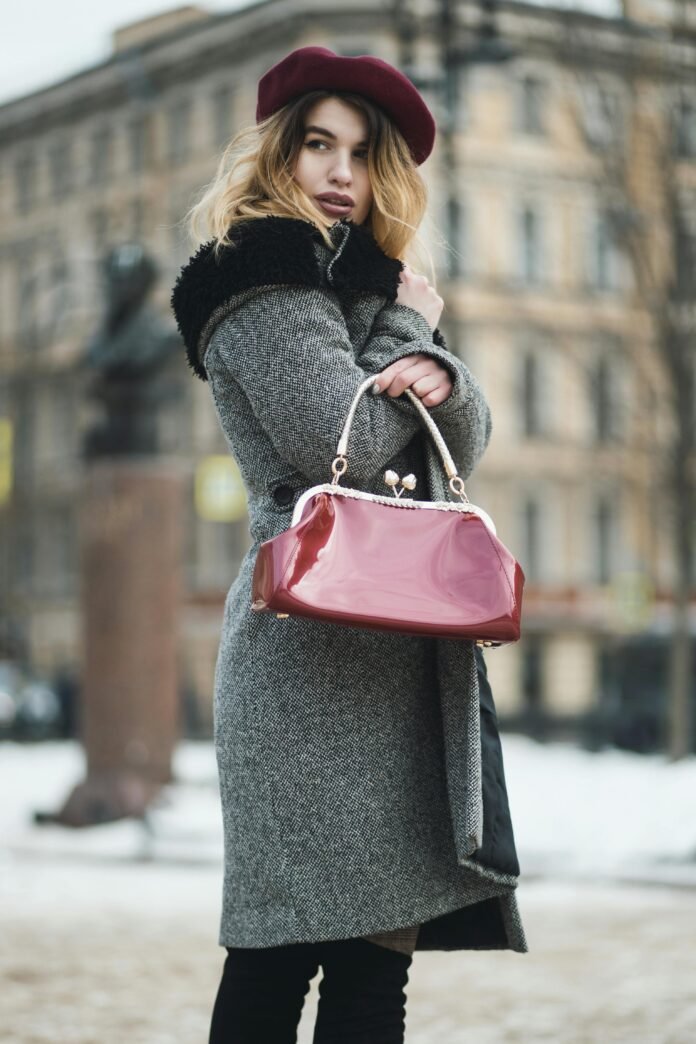
Choosing the right fabrics is crucial for winter dressing, as it affects warmth, comfort, and style. Some fabrics are naturally insulating, while others provide breathability, layering flexibility, or luxurious textures. Understanding the properties of different winter fabrics allows you to create chic, cozy, and functional winter outfits.
This guide explores top winter fabrics, their benefits, styling tips, and outfit inspiration.
1. Why Fabric Choice Matters in Winter
- Insulation: Some fabrics trap heat more effectively
- Breathability: Prevents overheating indoors
- Durability: Certain fabrics last multiple seasons
- Style and texture: Fabrics add visual interest to layered outfits
- Comfort: Soft, smooth fabrics feel cozy against the skin
Selecting the right materials ensures your winter wardrobe is functional, comfortable, and stylish.
2. Wool: The Classic Winter Fabric
- Types: Merino wool, lambswool, cashmere, boiled wool
- Benefits: Excellent insulation, breathability, and natural moisture-wicking
- Styling tips:
- Wool coats, sweaters, and scarves are versatile staples
- Combine chunky knits with tailored wool outerwear
- Neutral colors are timeless; jewel tones add sophistication
Tip: Layer lightweight merino wool under bulky coats for warmth without bulk.
3. Cashmere: Luxurious Softness
- Benefits: Soft, warm, and lightweight
- Styling tips:
- Perfect for turtlenecks, sweaters, and scarves
- Layer under outerwear or over base layers for evening elegance
- Pair with wool coats or faux fur for texture contrast
Tip: Cashmere is a winter investment piece that elevates both casual and formal outfits.
4. Fleece: Lightweight Insulation
- Benefits: Affordable, soft, lightweight, moisture-wicking
- Styling tips:
- Ideal for casual layering or travel
- Pair under puffer jackets or waterproof shells
- Works well for outdoor activities and weekend wear
Tip: Choose thin fleece layers to avoid bulk while keeping warmth.
5. Down and Quilted Fabrics
- Benefits: Exceptional warmth due to trapped air in insulation
- Styling tips:
- Long puffers for extreme cold
- Shorter quilted jackets for casual daywear
- Pair with fitted mid-layers to balance volume
Tip: Down is highly efficient but should be layered over breathable base fabrics.
6. Wool Blends
- Benefits: Combines warmth, durability, and affordability
- Styling tips:
- Perfect for coats, skirts, and trousers
- Blends with synthetics like polyester or nylon add resilience
- Layer over mid-weight sweaters for structured winter outfits
Tip: Wool blends provide both polish and practicality for daily winter wear.
7. Leather and Faux Leather
- Benefits: Windproof, durable, stylish
- Styling tips:
- Leather jackets over knit sweaters for edgy winter looks
- Faux leather skirts paired with tights and coats
- Pair with boots for cohesive textures
Tip: Leather works well for layering, offering warmth and style when combined with soft fabrics.
8. Corduroy and Tweed
- Benefits: Textured fabrics that retain warmth
- Styling tips:
- Corduroy pants or skirts for casual elegance
- Tweed jackets for office or semi-formal winter outfits
- Pair with smooth knits to balance textures
Tip: Textured fabrics add depth to layered outfits while keeping you warm.
9. Silk and Satin (for Layering and Evening Wear)
- Benefits: Lightweight, smooth, luxurious
- Styling tips:
- Use as base layers under sweaters or coats
- Ideal for winter evening dresses layered with wool or faux fur
- Adds contrast to heavier fabrics like wool or knit
Tip: Silk is best layered under insulating fabrics to combine elegance and warmth.
10. Synthetic Fabrics
- Examples: Polyester, nylon, acrylic
- Benefits: Lightweight, durable, water-resistant
- Styling tips:
- Use as lining in jackets or outerwear
- Ideal for casual or outdoor layering
- Combine with natural fabrics for comfort and style
Tip: Synthetics provide practicality without sacrificing fashion when paired with luxurious fabrics.
11. Layering Fabrics Strategically
- Base layer: Thermal cotton, silk, or merino wool
- Mid-layer: Fleece, cashmere, chunky wool, or knitwear
- Outer layer: Wool, down, quilted, or leather
- Accessories: Cashmere scarves, wool hats, leather gloves
Tip: Mixing textures and fabric weights ensures warmth without bulk, creating visually appealing layered outfits.
12. Color Coordination and Fabrics
- Neutral fabrics (camel wool, black cashmere, gray fleece) allow versatile layering
- Rich winter tones (burgundy, emerald, navy) elevate outfit depth
- Patterned fabrics (plaid, tweed, houndstooth) add interest
- Layer smooth fabrics with textured ones for balance
Tip: Fabric texture can enhance perceived warmth and style even in simple color palettes.
13. Outfit Examples Using Winter Fabrics
13.1 Casual Winter Day
- Cotton thermal base + fleece sweater + quilted puffer jacket + corduroy pants + ankle boots
13.2 Office Winter Outfit
- Silk blouse + merino wool sweater + tailored wool trousers + wool coat + leather gloves
13.3 Evening Winter Look
- Cashmere turtleneck + satin midi skirt + faux fur coat + heeled boots + statement scarf
13.4 Travel Outfit
- Thermal base + fleece vest + down jacket + leggings + snow boots + wool scarf
Tip: Selecting the right fabrics allows you to transition seamlessly from day to night and indoor to outdoor settings.
14. Practical Fabric Tips for Winter
- Combine lightweight and heavy fabrics for efficient layering
- Prioritize insulating fabrics for base and mid-layers
- Mix smooth and textured fabrics for visual interest
- Consider moisture-wicking properties for outdoor activities
- Invest in timeless pieces like wool and cashmere for longevity
Tip: Smart fabric selection balances comfort, warmth, and style in every winter outfit.
15. Conclusion
Selecting the best fabrics for winter ensures warmth, comfort, and style in any cold-weather outfit. From wool, cashmere, fleece, down, and leather to corduroy and silk, each fabric has a purpose in layering, layering, and creating polished winter looks.
By strategically combining fabrics, textures, and colors, you can build a versatile, functional, and stylish winter wardrobe, whether for everyday life, work, evening events, or travel.