

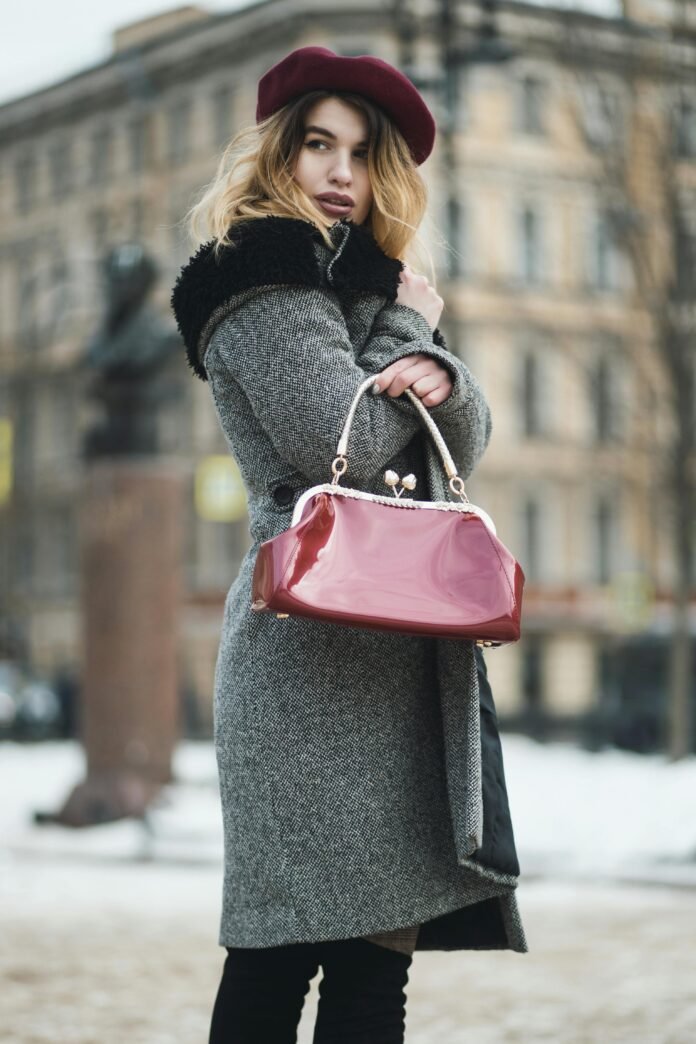
Winter doesn’t just require style—it demands practicality and protection against extreme cold. Accessories and thoughtful layering are essential to stay warm while maintaining a polished look. By combining hats, scarves, gloves, footwear, and strategic layering, you can navigate harsh weather without compromising fashion.
This guide covers essential winter accessories, layering strategies, fabric choices, color coordination, and outfit inspiration for extreme cold.
1. Why Accessories Are Critical in Extreme Winter
- Provide warmth: Protect core areas like head, neck, hands, and feet
- Complete the outfit: Make layered looks cohesive and stylish
- Add texture and color: Break up bulky layers with visual interest
- Enhance versatility: Small accessories can transform outfits across occasions
Well-chosen accessories make winter layering functional, comfortable, and visually appealing.
2. Headwear: Protecting Your Head and Hair
- Beanies: Knit or wool for warmth and casual style
- Berets: Chic option for city looks
- Wide-brimmed hats: Stylish coverage from wind and snow
- Ear warmers / headbands: For sporty or minimalist looks
Tip: Coordinate headwear color with coats or scarves for cohesive layering.
3. Scarves: Layering with Style
- Chunky knit scarves: Add warmth and texture
- Cashmere scarves: Lightweight but insulating, ideal for office or evening outfits
- Patterned scarves: Plaid or houndstooth add visual interest to neutral outerwear
- Long scarves: Can wrap multiple times for extra warmth
Styling tip: Pair neutral scarves with patterned coats or vice versa; experiment with knotting techniques to elevate looks.
4. Gloves and Mittens
- Leather gloves: Sleek and stylish, great for formal outfits
- Knit gloves: Comfortable for casual layering
- Mittens: Optimal warmth for outdoor activities
- Touchscreen-friendly gloves: Combine practicality and modern functionality
Tip: Match gloves with footwear or bag to unify the layered ensemble.
5. Footwear for Extreme Cold
- Insulated boots: Keep feet warm and dry in snow
- Waterproof leather or suede: Protects against wet conditions
- Knee-high boots: Layer over tights or leggings for style and warmth
- Layering socks: Wool or thermal socks add insulation without bulk
Tip: Footwear should balance practicality and style—neutral colors coordinate with most winter outfits.
6. Base Layer Essentials
- Thermal tops and leggings: Lightweight insulation
- Moisture-wicking fabrics: Keep skin dry and warm
- Fitted turtlenecks or long sleeves: Provide a smooth foundation for mid-layers
Tip: Base layers are often invisible but crucial for extreme weather comfort.
7. Mid-Layer Insulation
- Sweaters: Wool, cashmere, or chunky knit
- Fleece jackets or vests: Lightweight warmth for layering under outerwear
- Layering shirts: Cotton or silk blends for breathable comfort
Tip: Mix textures and thicknesses to maintain proportion and warmth.
8. Outer Layer Protection
- Puffer jackets: Quilted insulation traps heat efficiently
- Down coats: Lightweight yet extremely warm
- Waterproof and windproof shells: Protect against rain, sleet, and wind
- Faux fur-lined or shearling coats: Luxurious warmth for city or evening looks
Tip: Ensure outer layers are slightly oversized to accommodate mid-layers comfortably.
9. Accessorizing with Functional Style
- Belts over coats: Define waist and prevent oversized silhouettes
- Layered necklaces or pins: Add personality to bulky layers
- Color-coordinated accessories: Scarves, hats, gloves, and bags create visual harmony
Tip: Accessories can make functional winter layering look intentional and chic, not bulky.
10. Color Coordination for Extreme Winter Outfits
- Neutrals: Black, gray, camel, cream—versatile and timeless
- Rich seasonal tones: Burgundy, forest green, navy—add depth
- Accent colors: Mustard, burnt orange, or plum—provide interest without overwhelming layers
- Monochromatic layering: Shades of the same color create polished, modern looks
Tip: Use bright scarves or hats to contrast neutral outer layers for playful winter style.
11. Outfit Ideas for Extreme Cold
11.1 Casual Outdoor
- Thermal base + fleece vest + puffer jacket + insulated pants + snow boots + knit scarf + beanie + gloves
11.2 City Commuter
- Wool coat + turtleneck sweater + slim trousers + knee-high boots + leather gloves + cashmere scarf
11.3 Evening Outing
- Faux fur coat + cashmere sweater + silk midi skirt + knee-high boots + elegant gloves + patterned scarf
11.4 Winter Sports / Hiking
- Base thermal + waterproof insulated jacket + snow pants + insulated boots + headband + gloves
Tip: Layer strategically to allow removal indoors while maintaining style outdoors.
12. Practical Tips for Extreme Winter Layering
- Always start with lightweight base layers
- Mix insulating mid-layers and adjustable outer layers
- Use accessories strategically to protect extremities
- Choose fabrics that retain warmth yet allow breathability
- Maintain outerwear to extend lifespan—clean, store, and condition
Tip: Prioritize comfort first, then style; warmth and functionality come before aesthetics.
13. Conclusion
Accessorizing and layering for extreme winter weather is both an art and a necessity. By combining base layers, mid-layers, outerwear, footwear, and strategic accessories, you can create warm, stylish, and versatile outfits that withstand harsh conditions.
Mastering these techniques ensures that winter dressing is comfortable, polished, and visually appealing, allowing you to enjoy the season while looking chic, whether for casual outings, professional settings, or outdoor adventures.