

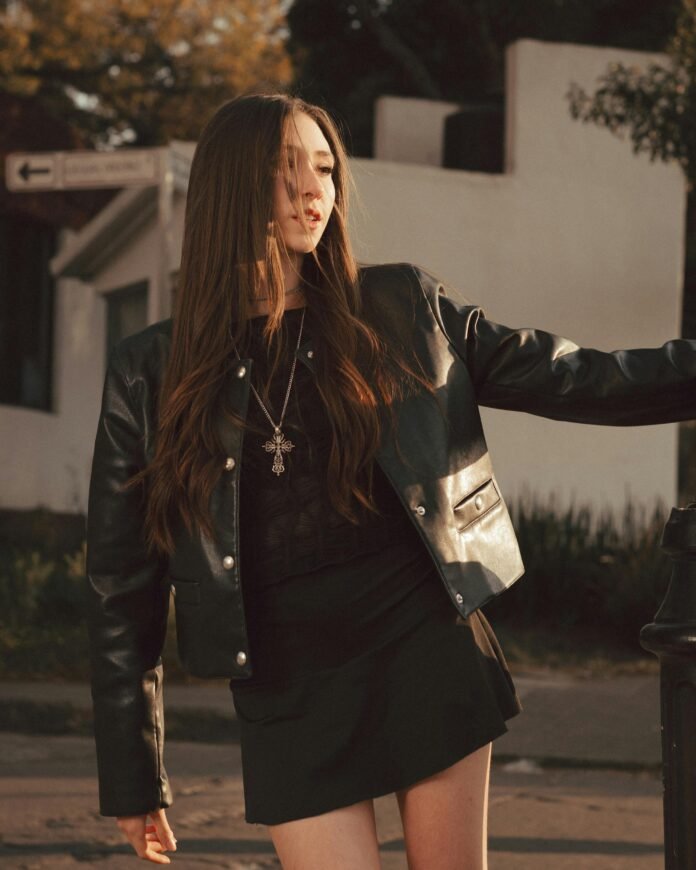
Accessories are the finishing touch that elevates any outfit. From jewelry to scarves, belts to handbags, mastering the art of accessorizing transforms basic pieces into polished, cohesive looks.
This guide covers strategic accessory selection, styling tips, and practical examples to help you accessorize like a professional.
1. Why Accessories Matter
- Add personality and style to basic outfits
- Enhance proportion and silhouette
- Provide seasonal adaptability
- Allow for easy day-to-night transitions
Tip: Accessories are small investments that create big style impact.
2. Types of Accessories
- Jewelry: Necklaces, earrings, bracelets, rings
- Scarves and wraps: For color, texture, and warmth
- Belts: Define waist and structure outfits
- Bags: Functional and stylish, from tote to clutch
- Hats and gloves: Seasonal statement pieces
Tip: Include both statement pieces and minimal essentials in your accessory collection.
3. Jewelry Styling Tips
- Statement jewelry: Adds focal point to simple outfits
- Minimalist jewelry: Complements outfits without overwhelming
- Layering necklaces or bracelets: Creates depth and visual interest
- Metal coordination: Match or mix metals thoughtfully
Tip: Jewelry should enhance your outfit, not compete with it.
4. Scarves and Wraps
- Material choices: Silk, wool, cashmere depending on season
- Styling techniques: Loops, drapes, knots, and belting
- Color strategy: Use scarves to introduce accent colors or patterns
- Versatility: Can serve as shawl, belt, head accessory
Tip: Scarves are one of the easiest ways to refresh outfits.
5. Belts: Structure and Style
- Define waistline: Over dresses, tunics, or blazers
- Add contrast: Introduce color or texture
- Proportion adjustments: Wide belts for voluminous outfits, thin belts for tailored looks
- Material choice: Leather, fabric, woven, or metallic
Tip: A belt can instantly transform a silhouette.
6. Handbags and Purses
- Daily bags: Tote, crossbody for functionality
- Evening bags: Clutch or small shoulder bag for elegance
- Color coordination: Neutral tones for versatility, bold colors for statement
- Size vs occasion: Match bag size to activity and outfit style
Tip: A well-chosen bag balances practicality and fashion.
7. Hats and Seasonal Accessories
- Hats: Fedoras, beanies, berets, wide-brim hats
- Gloves: Leather or knitted depending on weather
- Sunglasses: Function meets style, varies by face shape and outfit
- Seasonal versatility: Accessorize for warmth in winter, sun protection in summer
Tip: Seasonal accessories add both functionality and style flair.
8. Color and Pattern Coordination
- Contrast vs complement: Balance outfit colors with accessories
- Pattern mixing: Pair one patterned accessory with neutral basics
- Accent placement: Shoes, bags, or scarves can highlight specific outfit areas
Tip: Accessories are powerful tools to elevate neutral basics.
9. Proportions and Balance
- Large statement pieces paired with minimal outfit
- Small accessories enhance detailed or busy outfits
- Consider scale relative to body shape and outfit silhouette
Tip: Proportionally balanced accessories create a harmonious look.
10. Day-to-Night Accessorizing
- Swap tote for clutch
- Add statement earrings or necklace
- Introduce scarf or shawl for evening elegance
- Adjust footwear to match accessories (heels or flats)
Tip: Strategic accessories transform a day outfit into a night-ready ensemble.
11. Accessory Organization and Maintenance
- Use trays, hooks, and boxes for storage
- Separate by type or frequency of use
- Regularly assess condition and replace worn pieces
- Rotate seasonally to maintain relevance
Tip: Organized accessories simplify styling and prevent clutter.
12. Practical Outfit Examples
12.1 Casual Day
- White tee + jeans + denim jacket + scarf + crossbody bag + sneakers
12.2 Office
- Blouse + tailored blazer + pencil skirt + pumps + statement necklace + belt
12.3 Evening
- Silk top + leather skirt + clutch + chandelier earrings + heeled boots
12.4 Travel
- Knit sweater + leggings + long coat + scarf + tote + ankle boots
Tip: Accessories turn simple outfits into cohesive and stylish looks.
13. Common Accessory Mistakes
- Over-accessorizing: Too many statement pieces at once
- Mismatched metals or colors
- Wearing oversized pieces with busy prints
- Neglecting seasonal appropriateness
Tip: Aim for balance, simplicity, and coordination.
14. Conclusion
Mastering accessories is key to maximizing wardrobe potential. By understanding types, colors, proportions, layering, and versatility, you can transform everyday outfits into polished, stylish ensembles.
Strategic accessory use enhances personal style, creates balance, and adds flair, making even basic wardrobe essentials feel unique and chic.